A fire does not become dangerous only when the flames become large. In many cases, the most critical moments are the few minutes between the first signs of a fire and the point at which it becomes uncontrollable.
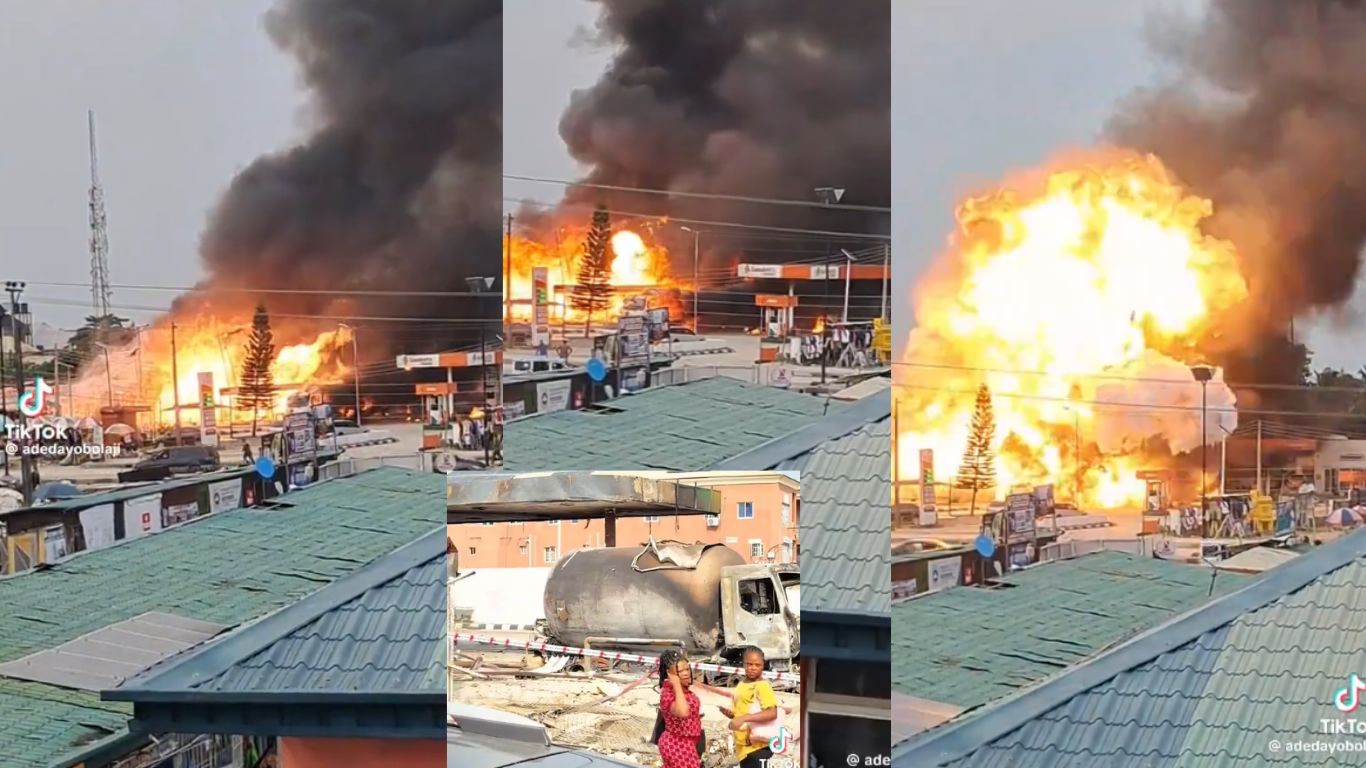
That is the lesson behind the recent gas tanker fire at Sunbeth Filling Station in Awoyaya, Lagos, where a 20-tonne LPG tanker caught fire before the incident escalated into a major explosion.
The incident, which occurred on Friday, November 20, 2026, was reported to have claimed the life of one adult male and caused significant damage around the Lekki-Epe Expressway.
But beyond the destruction itself, footage from the scene has raised another serious fire-safety concern: people remaining close to a burning LPG tanker to watch and record the incident.
In an emergency involving LPG, petrol or other highly flammable materials, that can be a potentially fatal decision.
When fire breaks out at a filling station or gas facility, do not stop to watch. Do not move closer to record. Get away from the danger zone immediately.
The bigger question, however, is whether people should have to see flames before they know there is a fire.
The answer is no.
Modern fire protection technology is designed to detect warning signs early, activate alarms and give people valuable time to respond before a small incident becomes a major emergency.
Early Fire Detection Is the First Line of Defence
For filling stations, LPG facilities, warehouses, factories, commercial buildings, schools, offices and other high-risk environments, an effective fire protection strategy should begin with early detection.
At Trends Ventures Limited, through its fire and security solutions business and SafetechHub, we provide access to technologies designed to help businesses and property owners detect fire risks early and respond quickly.
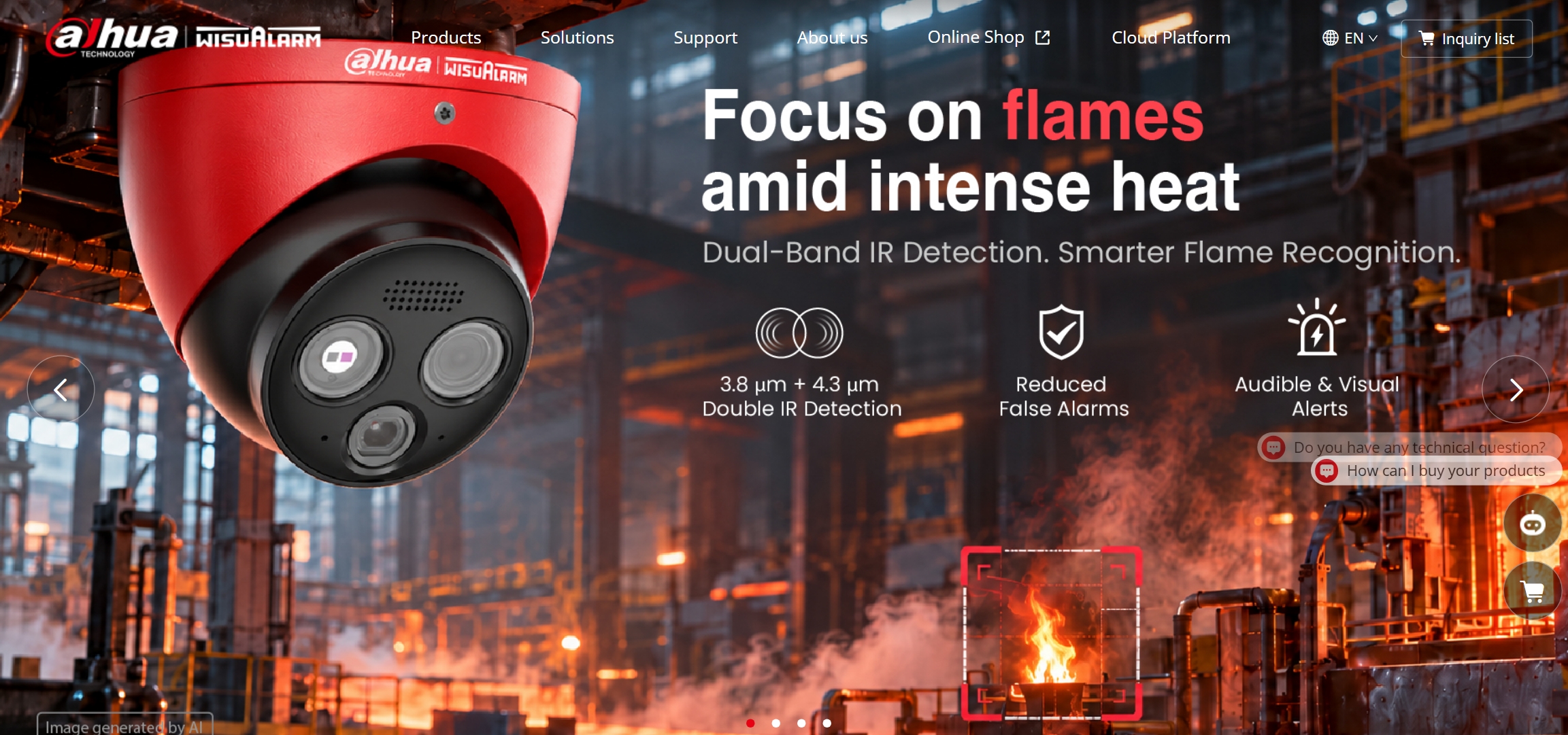
One of the most important technologies for high-risk environments is the Wisualarm Thermal Flame Detection Series.
Unlike conventional smoke detectors, thermal flame detection cameras use thermal imaging and intelligent detection technology to monitor an area for abnormal heat and flame characteristics.
This makes them particularly valuable for applications where rapid detection is critical, including fuel stations, LPG facilities, industrial environments, warehouses and other high-risk locations.
A thermal flame detection camera can continuously monitor designated areas, helping identify a developing fire and providing an early warning that can trigger an appropriate emergency response.
For a filling station or LPG facility, that additional layer of detection can be especially important because personnel may not always be standing beside the area where a fire begins.
The objective is not simply to detect flames.
It is to detect danger early enough for people to act.
Why One Detection Technology May Not Be Enough
No single fire detector is suitable for every environment.
Different buildings and facilities have different risks, which is why an effective fire protection system may combine several detection technologies.
Smoke detectors and smoke alarms are suitable for many homes, offices, shops, schools and other enclosed spaces. Wisualarm smoke alarms can provide occupants with an early warning when smoke is detected.
Heat detectors can be used in environments where smoke detectors may not be suitable because of normal operating conditions, dust, fumes or other factors. They can be appropriate for selected kitchens, workshops, plant rooms and industrial applications.
For high-risk outdoor or industrial environments, thermal flame detection cameras can provide another layer of protection by monitoring heat and flame signatures over a designated area.
Together, these technologies can form part of a broader fire detection strategy designed around the specific risks of a property.
Fire Alarm Panels Turn Detection Into Action
Detecting a fire is only useful if people are alerted quickly.
This is where fire alarm control panels become critical.
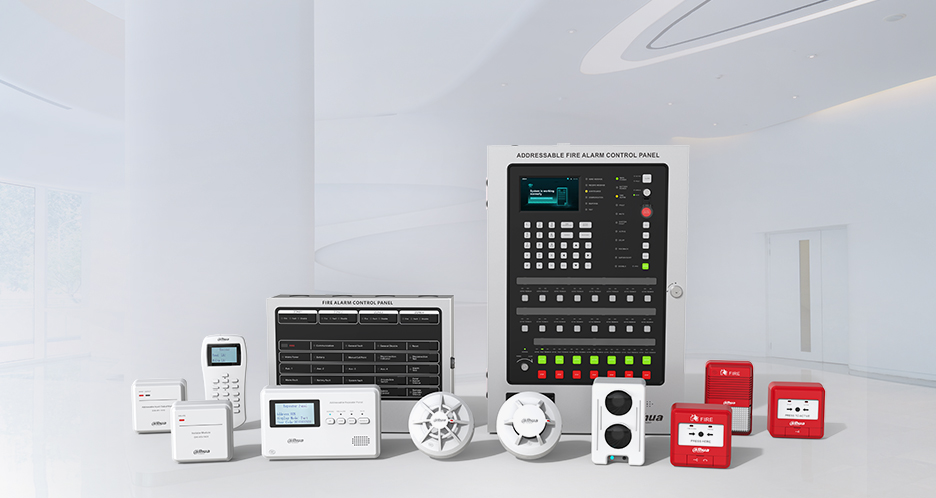
Conventional systems such as Wisualarm 4-zone and 8-zone panels can connect multiple detection devices and provide centralised monitoring of different areas of a building.
For larger or more complex facilities, addressable fire alarm systems can provide more detailed information about the location of an activated device, helping responsible personnel identify where an alarm has originated.
Once a detector is activated, the fire alarm system can trigger sounders, bells and other notification devices, warning occupants that immediate action may be required.
Manual call points provide another important layer of protection. If an employee, security officer or visitor sees smoke or flames before an automatic detector responds, they can manually activate the alarm and alert others.
The result is a layered system:
Detect → Alert → Evacuate → Respond.
Every second gained through early detection can matter during a rapidly developing fire.
Technology Alone Cannot Save People Who Ignore the Warning
The Awoyaya incident also demonstrates why fire-safety equipment must be supported by proper training and responsible behaviour.
A fire alarm can warn people of danger, but people must know what to do when the alarm sounds.
At a filling station or gas facility, members of the public should never gather around a fire to watch or record it.
They should move away immediately and create as much distance as reasonably possible from the danger area.
People should also avoid approaching a burning tanker, attempting to investigate the source of a fire or remaining nearby because they believe the situation is under control.
A developing LPG fire can change rapidly.
The safest response is to evacuate first and leave firefighting and emergency intervention to trained personnel.
Professional Design Matters
Installing fire alarm equipment is not enough.
The right equipment must be selected for the environment, positioned correctly, installed professionally, tested and maintained regularly.
A residential building does not have the same fire risks as a warehouse. A school does not have the same requirements as an LPG facility. A filling station requires a different approach from an ordinary office.
That is why professional fire-risk assessment and system design are essential.
Trends Ventures Limited provides fire and security solutions for businesses, institutions and property owners, including site assessment, system design, equipment supply, installation, commissioning, training and maintenance.
Through SafetechHub, customers can also access a growing range of fire-safety products, including smoke alarms, heat detectors, fire alarm panels, manual call points, sounders and advanced thermal flame detection solutions.
The right system depends on the environment, the risks involved and the level of protection required.
Don’t Wait Until You See the Flames
The most important lesson from the Awoyaya incident is not simply that people should run when they see a fire.
It is that fire safety should begin before the flames become visible.
Early detection can provide the warning needed to begin evacuation. A properly designed alarm system can alert people throughout a building. Thermal flame detection technology can provide additional monitoring in high-risk environments. And proper training can help ensure that people respond correctly when an alarm is activated.
For businesses operating filling stations, LPG facilities, warehouses, factories and other high-risk premises, waiting until an emergency happens is not a fire-safety strategy.
The better approach is to identify the risk, install the appropriate detection and alarm technology, maintain the system and train people to respond.
The Awoyaya explosion is another reminder that seconds matter.
Don’t wait for the next fire to become a viral video before taking fire safety seriously.
Detect early. Raise the alarm. Evacuate immediately. Protect lives.
For professional fire detection, alarm and safety solutions, contact Trends Ventures Limited or visit SafetechHub to explore suitable solutions for your home, office, commercial property, industrial facility or high-risk site.