Nigeria’s rising temperatures have renewed concerns about household safety, electricity demand and the risks associated with extreme weather. While prolonged exposure to hot conditions can cause dehydration and heat-related illness, another important safety concern deserves attention: the risk of fire in homes, offices, shops, warehouses and industrial facilities.
Imagine a shop where electrical equipment operates throughout the day. A faulty connection begins to overheat behind a counter. In another building, cooking equipment is left unattended, or machinery operates continuously in a poorly maintained workspace. Without appropriate precautions and a suitable fire detection system, a developing fire may go unnoticed until smoke or flames become visible.
These scenarios highlight why early fire detection matters.
A heat detector is designed to respond to specified temperature conditions or a rapid rise in temperature associated with a potential fire. When connected to a compatible fire alarm system, it can help alert occupants and enable a faster response.
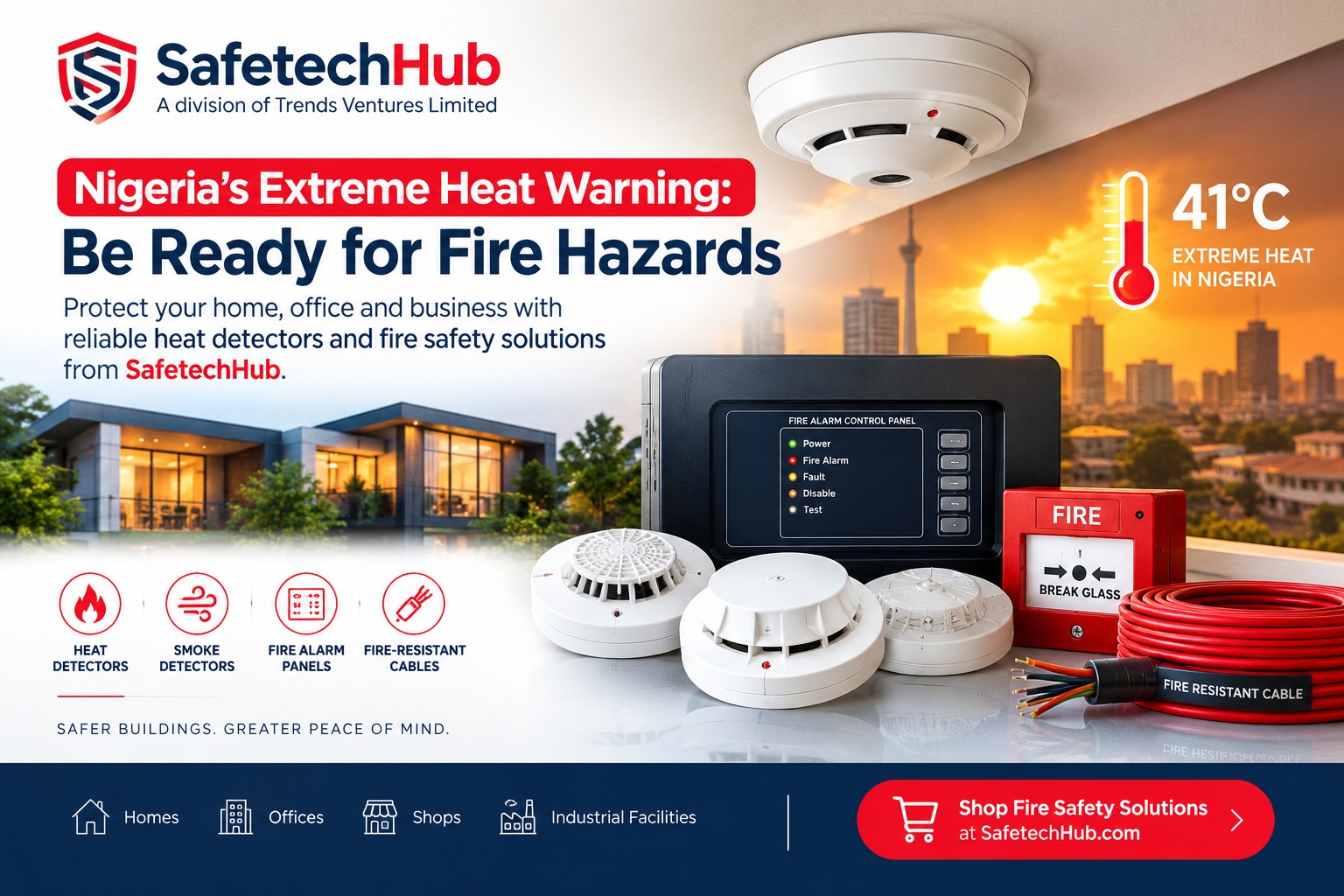
At SafetechHub, a division of Trends Ventures Limited, customers can explore heat detectors, smoke detectors, addressable fire alarm devices and other fire safety equipment for residential, commercial and industrial applications.
Whether you are a homeowner, business owner, facility manager, electrical contractor or fire safety professional, understanding common fire hazards and the devices designed to detect them can help you make better decisions about protecting people and property.
What Is a Heat Detector and Why Does It Matter?
A heat detector is a fire detection device that monitors temperature conditions. Depending on its design, it can activate when the surrounding temperature reaches a preset threshold or when the temperature rises unusually quickly.
Unlike a smoke detector, which detects smoke particles, a heat detector responds to heat.
This distinction matters because some environments, such as selected kitchens, workshops and utility areas, may contain steam, dust or cooking fumes that can affect the suitability of conventional smoke detection. A heat detector may be more appropriate in certain locations, but the decision should be based on a professional fire risk assessment and applicable safety standards.
Heat detectors do not prevent fires, extinguish flames or protect people from heatstroke. Their purpose is to detect potential fire conditions and initiate an alarm through a compatible system.
6 Common Fire Hazards in Nigeria and the Devices That Can Help
1. Electrical Overheating in Homes, Shops and Offices
The scenario: A shop owner plugs several electrical appliances into an overloaded extension socket. A loose connection or damaged cable begins to overheat. If the problem develops into a fire, nearby combustible materials could ignite and allow the fire to spread.
Electrical overheating can occur because of damaged wiring, overloaded circuits, poor connections, unsuitable equipment or a lack of maintenance.
The solution: Have electrical installations inspected by a qualified electrician, avoid overloading sockets and replace damaged cables and equipment. A properly designed fire alarm system can provide an additional layer of protection by detecting a developing fire.
Depending on the environment and system design, suitable smoke detectors, heat detectors or both may be required.
For projects that require centralised fire monitoring, explore the addressable fire alarm products available at SafetechHub.
2. Kitchen Fires in Restaurants, Hotels and Residential Buildings
The scenario: Oil is left heating on a cooker while the person preparing food attends to another task. The oil overheats and ignites, producing a dangerous fire that could spread to nearby cupboards, curtains or other combustible materials.
Cooking-related fires are a significant concern in homes and commercial kitchens.
The solution: Never leave cooking unattended, keep combustible items away from cooking equipment and ensure that suitable firefighting equipment is available.
A heat detector may be appropriate in selected kitchen environments where smoke detection could be affected by normal cooking activity. However, detector placement and type must be carefully selected to minimise nuisance alarms while maintaining adequate fire protection.
For commercial kitchens, a specialist should assess whether additional measures, such as an appropriate kitchen fire suppression system, are required.
Explore the AH Fixed-Temperature Heat Detector as one possible option for a compatible installation.
3. Generator Rooms and Equipment Areas
The scenario: A business operates a generator in a poorly maintained equipment area. A mechanical fault, fuel leak or electrical problem creates a fire hazard. If combustible materials are stored nearby, the consequences could be severe.
Generators and other equipment should be installed and operated according to manufacturer instructions, with appropriate ventilation, clearances and fire precautions.
The solution: Maintain generators regularly, store fuel safely in accordance with applicable requirements and keep ignition sources away from fuel storage. Never operate a fuel-powered generator indoors or in an enclosed space where exhaust gases can accumulate.
Where a fire risk assessment identifies a need for heat detection, a suitable detector can provide an additional warning if dangerous thermal conditions develop.
The AH Mechanical Rate-of-Rise Heat Detector is designed to respond to rapid temperature increases in compatible conventional fire alarm installations.
The detector must not be treated as a substitute for proper generator installation, maintenance or carbon monoxide precautions.
4. Warehouse Fires Involving Packaging and Stored Goods
The scenario: A warehouse stores cartons, plastic packaging, textiles and other combustible materials. An electrical fault or equipment failure starts a fire after working hours. With no staff present to notice the early signs, the fire may spread before anyone responds.
Warehouses can contain substantial fuel loads, making fire prevention, detection and emergency planning especially important.
The solution: Keep storage areas organised, maintain suitable separation around electrical equipment and emergency exits, follow appropriate housekeeping practices and ensure that the building has a professionally designed fire protection system.
An addressable system may be beneficial in larger facilities because the control panel can identify the individual detector reporting an alarm, helping staff locate the affected area.
Consider compatible addressable devices such as the Gent S4-720 Heat Detector or explore Zeta addressable fire alarm products.
The final selection should depend on the installed control panel, building layout and fire risk assessment.
5. Overheated Machinery in Workshops and Factories
The scenario: Machinery in a workshop runs continuously under heavy loads. A bearing failure, mechanical fault or electrical problem generates excessive heat. Nearby materials may ignite if the fault progresses into a fire.
Workshops and factories often contain multiple ignition sources, including electrical equipment, hot surfaces and machinery.
The solution: Maintain machinery according to the manufacturer’s recommendations, investigate unusual heat or burning smells promptly and keep combustible materials away from hazardous equipment.
Heat detectors can be considered where their detection characteristics are suitable for the environment. In some situations, specialised temperature sensors or equipment monitoring systems may also be needed to identify overheating before it becomes a fire.
For a building-wide fire alarm installation, a compatible addressable heat detector can help identify the device reporting an alarm.
Browse SafetechHub’s fire alarm detection range to explore available devices for professional assessment and system design.
6. Electrical and Fire Hazards in Hotels, Schools and Office Buildings
The scenario: A fire starts in a service room, electrical cupboard or other restricted area while the building is occupied. If the alarm system fails to detect the developing fire promptly, people may lose valuable time before receiving a warning.
Buildings with multiple rooms, floors and occupants need carefully planned fire detection and evacuation arrangements.
The solution: Conduct regular fire safety inspections, maintain clear escape routes, test installed alarm systems according to the manufacturer’s instructions and train occupants on emergency procedures.
A compatible addressable fire alarm system can help identify the location of an alarm, while sounders and other notification devices alert people to the emergency.
Heat detectors, smoke detectors and manual call points may all form part of the overall installation, depending on the building’s design and applicable fire safety requirements.
Explore addressable fire alarm systems at SafetechHub for potential project solutions.
Which Heat Detector Should You Choose?
The right device depends on the type of fire risk, the environment and the existing fire alarm system.
AH Fixed-Temperature Heat Detector
The AH Fixed-Temperature Heat Detector is designed to activate when the surrounding temperature reaches its specified threshold.
It may be appropriate for selected areas where fixed-temperature detection is recommended by a fire safety professional.
AH Mechanical Rate-of-Rise Heat Detector
The AH Mechanical Rate-of-Rise Heat Detector is designed to respond to a rapid increase in temperature.
It may be suitable for locations where rapid temperature changes are an important part of the fire detection strategy.
Gent S4-720 Addressable Heat Detector
The Gent S4-720 is listed for compatible Gent Vigilon addressable systems. Addressable technology can help the control panel identify the individual detector reporting an alarm.
This can be valuable in larger buildings where locating the source of an alarm quickly is important.
Zeta Addressable Rate-of-Rise Heat Detector
The Zeta addressable rate-of-rise heat detector is intended for compatible Zeta addressable installations and responds to temperature increases according to its design specifications.
As with all addressable devices, compatibility with the control panel and system configuration must be confirmed before purchasing.
SafetechHub also lists other fire detection products, including the AlarmSense Standard Rate-of-Rise Heat Detector and the Apollo XP95 Addressable Heat Detector. Their suitability depends on the installation and manufacturer specifications.
Heat Detectors vs Smoke Detectors: Which Is Better?
Neither device is universally better. They detect different signs of a potential fire.
Heat detectors respond to specified temperature conditions or rapid temperature increases. They can be useful in selected environments where smoke detection may be less suitable.
Smoke detectors detect smoke particles and can provide early warning before a fire produces enough heat to activate a heat detector.
For example, a smoke detector may provide an earlier warning of a smouldering fire in a suitable office or bedroom. In a kitchen where normal cooking fumes could trigger unwanted alarms, a properly selected heat detector may be more appropriate.
The best solution depends on the building, the likely fire scenarios and the applicable fire safety requirements. Some properties need both types of detection in different locations.
Why Fire-Resistant Cables and Control Panels Also Matter
A fire alarm system relies on more than its detectors.
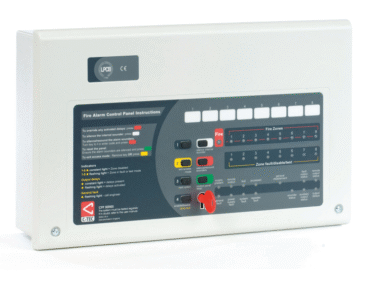
The control panel receives signals from compatible devices and provides information about alarm conditions. Sounders and notification devices alert occupants. Suitable cables help maintain the required circuit integrity under the conditions for which they are designed and certified.
A poorly designed or incompatible installation may undermine the performance of the overall system.
For this reason, building owners and contractors should select compatible components, use qualified installers and ensure that the completed system is commissioned, tested and maintained appropriately.
Visit SafetechHub.com to explore fire alarm panels, detection devices and other fire safety equipment.
What You Should Do During Extreme Heat
Fire preparedness and protection against extreme weather address different risks. A heat detector cannot tell you whether the weather is dangerous for the human body.
During hot conditions, residents and businesses should:
- Drink water regularly and take appropriate rest breaks.
- Improve ventilation and seek cooler environments where possible.
- Limit strenuous outdoor work during the hottest hours.
- Check on children, older people and others who may be more vulnerable.
- Maintain electrical equipment and avoid unsafe electrical connections.
- Keep combustible materials away from ignition sources.
- Ensure that fire alarms and other installed safety equipment are maintained.